
2025-26 Season
Experience a season of music that stirs the heart and inspires the soul. From the passion of A Romantic Evening to the warmth of A Family Christmas, the majesty of Brahms Requiem, and the fresh vision of A New Renaissance, each concert offers a unique journey. Join us for unforgettable performances that celebrate love, tradition, reflection, and the excellence of choral music.
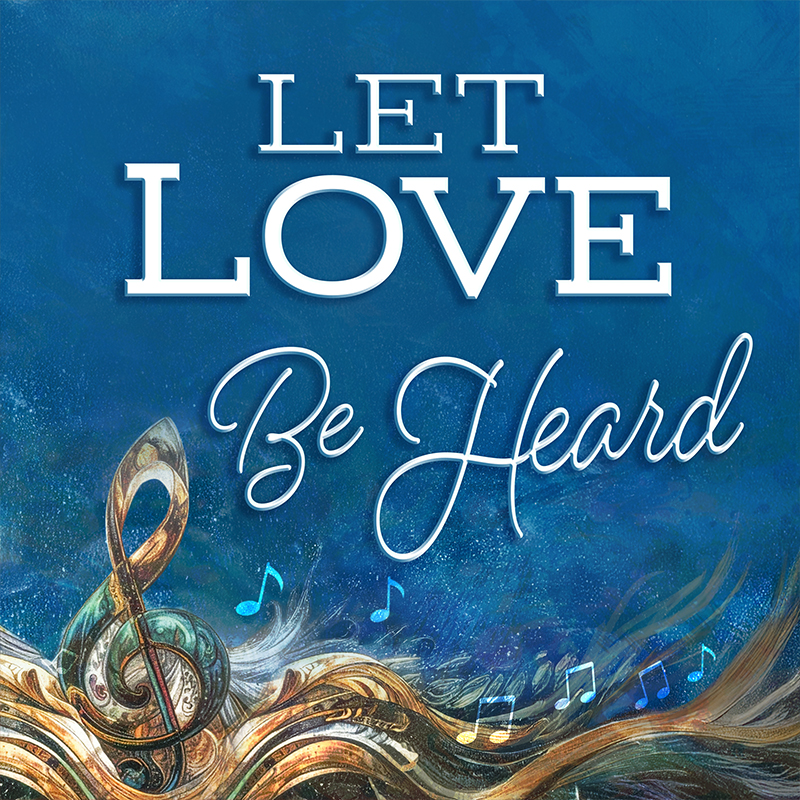
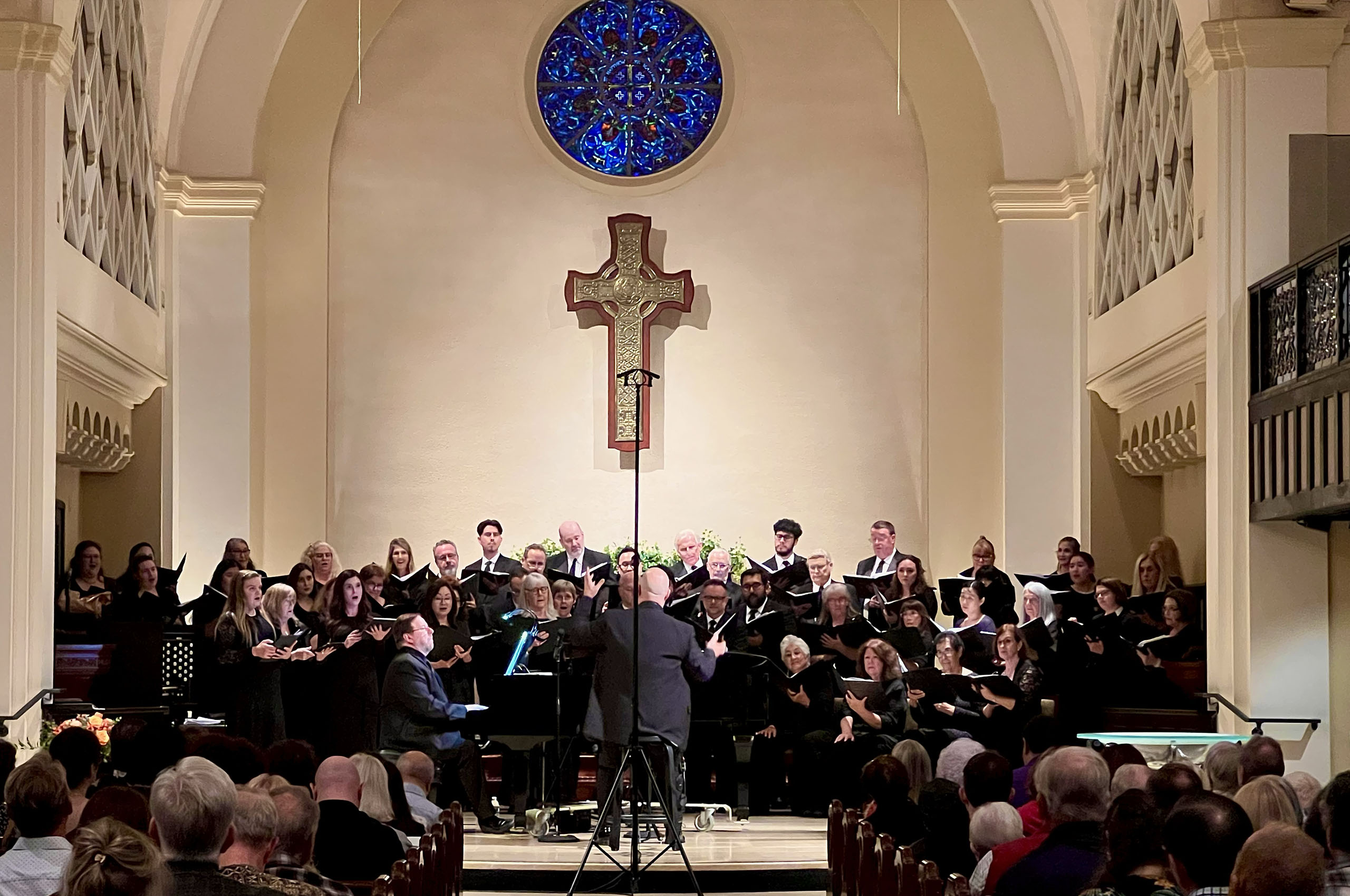
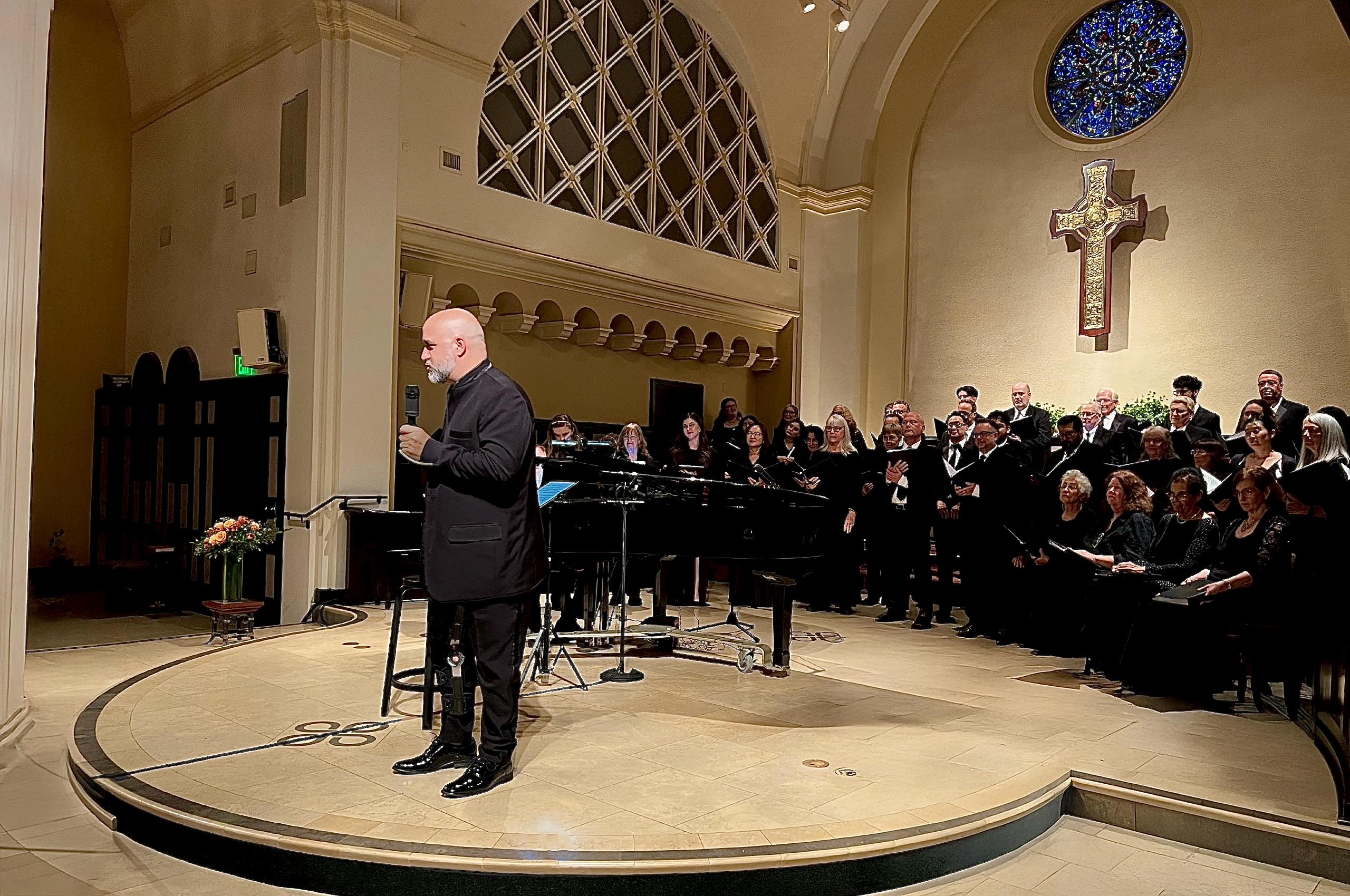
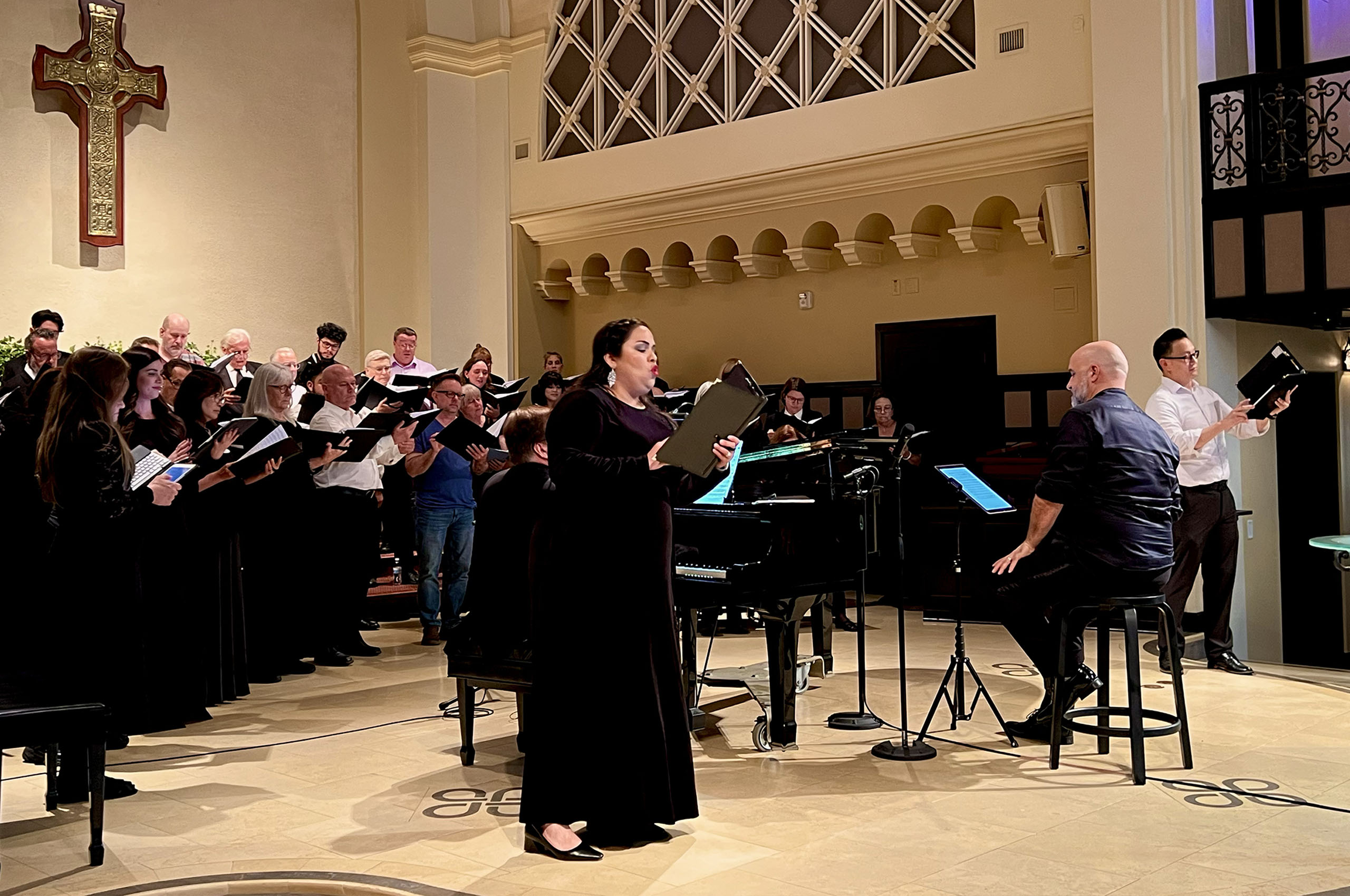
Let Love Be Heard
October 25, 2025
Laguna Presbyterian Church, Laguna Beach
As Southern California Master Chorale launches its 2025-26 season, this concert invites you into a tapestry of choral beauty that pulses with the depths and heights of devotion. Imagine music that journeys from gentle longing to radiant joy, weaving rich harmonies that echo the flutter of new affection, the comfort of enduring bonds, and the lighthearted spark of romance. Across centuries and traditions, the ensemble’s voice becomes a powerful conduit for love’s many expressions, carrying emotion with grace, finesse, and soul. Join us as love takes center stage—and is beautifully heard.
Throughout history and across cultures, composers and poets have been inspired by the subject of love, in all its magnificent complexity. The repertoire that I selected this evening celebrates love as humanity’s most universal and enduring emotion through the rich medium of choral music. I hope you enjoy it as much as I did planning it.
Our program opens with three pieces that establish the concert’s romantic foundation, starting with two in Spanish, one of our greatest “romance” languages: Amor de mi alma (Love of my soul), Gala de dia (Finery of the Day). These works will immediately immerse you in love’s passionate depths, with Amor de mi alma especially giving an exploration of love that transcends mere attraction to profound devotion. We then have a stark poetic & musical texture contrast with love lost in The Lady in the Water.
The second set continues this emotional exploration with You stole my love, Oeuvre ton coeur, and then O Whistle and El Vito. Here, I ventured into love’s more complex territories – loss, longing, invitation, and even passionate hate. You stole my love acknowledges love’s power to both elevate and devastate, while Bizet’s Oeuvre ton coeur (Open your heart) serves as a tender plea for vulnerability. My goal was for these pieces to demonstrate how different cultures express similar emotional truths through their unique musical languages.
The concert’s middle section features some of the evening’s most profound moments. The Sun Never Says, drawing from the mystical poetry of the Persian poet, Hafez, explores love’s spiritual dimensions, suggesting that true love gives without expectation of return. Let My Love Be Heard continues this theme of generous, unconditional love, even in the face of loss.
As I thought about what I wanted to achieve tonight I tried to design a concert with emotional pacing but also stark variety and sudden shifts – much like how love works in our lives. The Men of the Chorale present two differing takes; Ständchen, bringing Schubert’s classical elegance to the program, which is then quickly tossed aside as we sing about something that is “…not like any other.” There Is Nothing Like a Dame from Rodgers and Hammerstein’s “South Pacific.” This beloved musical theater number provides delightful comic relief while celebrating romantic attraction with great humor and energy. I thought that the inclusion of musical theater would demonstrate that love songs transcend classical boundaries, finding expression in popular culture with equal validity and appeal.
Billy Joel’s And So It Goes is one of the most gorgeous pop ballads to make its way into the choral genre and Kirke Mechem’s The Lighthearted Lovers maintains a more playful atmosphere, acknowledging that love isn’t always serious business—it can be fun, spontaneous, and joyfully (un)complicated. These pieces remind us that healthy relationships include laughter and lightness alongside deeper emotional connections.
The concert concludes triumphantly with the Verdian opera chorus Brindisi, that celebrates love through communal joy. This finale promises to transform the entire audience into participants, as brindisi literally means “toast”—an invitation for everyone to raise their voices in celebration of love’s victories, both great and small.
The choir and I want to give you, the audience, a broad emotional experience. Rather than focusing solely on romantic love’s passionate heights, I want to acknowledge love’s full spectrum: spiritual devotion, playful attraction, heartbreaking loss, generous giving, and communal celebration. I hope this concert provides more than entertainment, and serves as a reminder of love’s central role in our shared human experience, expressed through the incomparable beauty of voices joined in harmony.
Amor de Mi alma
Randall Stroope
Gala De Dia
Carlos Guastavino
The Lady in the Water
Eric William Barnum
Liebeslieder Walzer, op. 52
Johannes Brahms
- Rede Mädchen
- Am Gesteine rauscht die Flut
- Ein kleiner, hübscher Vogel
- Wenn so lind dein Auge mir
- Am donaustrande
- Nein, es ist nicht auszukomen
- Ein dunkeler Schact ist Liebe
Gretchen am spinnrade
Franz Schubert
Liebesbotshaft
Franz Schubert
You Are My Everything
Anjanette Navarro and Sarah Huff
You Stole My Love
Walter MacFarren
Ouvre ton Coeur
Georges Bizet
O Whistle and I’ll come to ye
arr. Mack Wilberg
El Vito
arr. Mack Wilberg
The Sun Never Says
Dan Forrest
Let My Love Be Heard
Jake Runestad
Make You Feel My Love
Bob Dylan
I’ll Tell the Man in the Street
Richard Rogers & Lorenz Hart
The Luckiest
Ben Folds
Ständchen
Franz Schubert
There is Nothing Like a Dame
Richard Rogers & Oscar Hammerstein II
Taylor the Latte Boy
Zina Goldrich
And So It Goes
Billy Joel, arr. Audrey Snyder
The Lighthearted Lovers
Kirke Mechem
Brindisi (from La Traviata)
Giuseppe Verdi
In Performance

A Family Christmas
December 6, 2025
First Presbyterian Church of Orange, Orange
December 7. 2025
Trinity Lutheran Church, Anaheim
A Family Christmas brings the joy of the season to life with beloved carols and festive holiday favorites. This heartwarming program is filled with music that celebrates togetherness, tradition, and the magic of Christmas. From tender moments of quiet reflection to jubilant bursts of cheer, the concert offers something for everyone. Gather your loved ones and share in the spirit of the holidays with this joyful celebration.
The holiday season draws us together—around traditions, memories, and the people who give our lives meaning. Tonight’s concert, A Family Christmas, is crafted in that same spirit of gathering: an evening meant to feel like coming home to a house filled with laughter, music, and the joyful anticipation unique to this time of year. The Southern California Master Chorale welcomes you into a celebration shaped by the warmth of family, the wonder of childhood, and the simple happiness that music brings to every generation.
You’ll hear melodies tonight that summon the excitement of childhood Christmas mornings, like Carol of the Bells or Sleigh Ride; or the charming Walking in the Air from the animated film The Snowman. Others offer quieter reflections filled with gratitude and peace, like A Christmas Lullaby, Carol of the Drum, or Dan Forrest’s beautiful setting of The First Noel—and hopefully you’ll hear a few new favorites as well! You’ll also hear famous Christmas-themed songs from the Broadway stage to the very tongue-in-cheek Christmas Goes Classical (in fact, we invite you to count how many parodies are in this one!). And, of course, generational favorites like The Christmas Song and White Christmas. And our famous sing-along moments invite you to join your voice with ours, celebrating the timeless truth that Christmas music belongs to everyone.
Through everything we sing, we hope to provide joy. We attempt to remind each other—and you—that the season’s greatest gifts are not wrapped in paper but shared through moments: singing together, remembering together, and experiencing beauty side by side. From our SCMC family to yours, may this concert fill your heart with light, lift your spirit with joy, and bring warmth that lasts long after the final notes fade.
Christmas on Broadway
arr. John Higgins
Have Yourself a Merry Little Christmas
Hugh Martin and Ralph Blane, arr. Mark Hayes
Carol of the Drum
Katherine K. Davis
The First Noel
English Carol, arr. Dan Forrest
I’ll Be Home for Christmas
Walter Kent, arr. by Trousdale
‘Til the Season Comes ‘Round Again
Randy Goodrum and John Barlow Jarvis
The Christmas Song
Mel Torme and Robert Wells, arr. Ed Lojeski
Do You Hear What I Hear?
Noel Regney and Gloria Shayne, arr. Harry Simeone
Jingle Bells
James Pierpont
God Rest Ye Merry Gentlemen
English Carol
Santa Claus is Coming to Town
Haven Gillespie and J. Fred Coots, arr. Mark Hanson, trans. Michael LeDoux
Christmas Goes Classical
Various Composers, arr. David Maddux
A Christmas Lullaby
Traditional Welsh, arr. Marianne Forman
Walking in the Air
Howard Blake
Away in a Manger
arr. Mark Hayes
Gesu Bambino
Pietro Yon
O Come All Ye Faithful
arr. David Willcocks
Silent Night
Franz Mohr and Franz Xaver Gruber, arr. Carl Relnecke, trans. John Freean Young
Joy to the World
George Frideric Handel
Carol of the Bells
Peter J. Wilhousky and Mykola Leontovich, arr. Peter J. Wilhousky
Sleigh Ride
Mitchell Parish and LeRoy Anderson, arr. Hawley Ades
White Christmas
Irving Berlin, arr. Roy Ringwald
We Wish You a Merry Christmas
Traditional English, arr. Alice Parker
In Performance
Brahms Requiem
March 22, 2026
Red Hill Lutheran Church, Tustin
The Southern California Master Chorale presents one of the most profound works in the choral repertoire: Brahms’ Requiem. Filled with soaring melodies, rich harmonies, and deep emotional resonance, this masterwork offers comfort and reflection rather than lament. With its sweeping choral power and tender moments of hope, the piece speaks directly to the human spirit across time and culture. Experience the beauty and consolation of Brahms’ vision in this unforgettable concert.
Johannes Brahms’ Ein deutsches Requiem stands apart in the great lineage of sacred music, not as a plea for the dead, but as a profound offering to the living. Where the traditional Requiem Mass seeks eternal rest for departed souls, Brahms instead turns his gaze toward those who remain, us, shaping a work that consoles, steadies, and ultimately restores. It is less a liturgy of judgment than a meditation on human sorrow and the quiet, resilient hope that follows in its wake.
Composed over more than a decade and shaped by personal loss—including the deaths of his close friend Robert Schumann and, later, his mother— this work emerges not from abstract theology, but from lived experience. Brahms assembles his text, not from the Latin Mass, but from Luther’s German Bible, crafting a deeply personal narrative that speaks in the vernacular of the heart. While he was not the first, not even the first German, to compile his own texts, he was the first to bring it together with the elevation of symphonic grandeur comparable to Bach’s B-minor Mass and Beethoven’s 9th Symphony. In doing so, he removes barriers between performer, listener, and message, inviting each of us into an intimate encounter with grief, remembrance, and renewal.
The architecture of the work itself mirrors a journey of the soul, unfolding across seven movements that trace a path from consolation, through anguish, toward transfigured peace. It begins not in darkness, but in benediction: “Blessed are they that mourn.” It is in the first breath of the chorus that Brahms offers comfort before grief has fully taken shape, as though consolation itself were woven into the fabric of human experience.
From this gentle opening, the second movement (“For all flesh is as grass”) confronts the stark reality of mortality. Its relentless march and somber grandeur remind us of other incarnations of this text, yet Brahms resists despair, allowing the music to bloom into a vision of enduring joy. “But the word of the Lord endureth forever” is a moment where time itself seems to open into eternity.
The baritone’s entrance in the third movement turns inward, voicing the individual soul’s questioning: “Lord, teach me to consider my life.” This is no abstract meditation, but an urgent, personal plea. Yet the movement does not remain in uncertainty; it gathers strength, culminating in a fugue of remarkable assurance with the text “The souls of the righteous are in the hand of God,” as though communal faith rises to meet private doubt.
At the heart of the work, literally and figuratively, lies the fourth movement, “How lovely is Thy Dwelling Place,” a moment of repose that feels almost suspended outside time. Here, Brahms offers not resolution, but refuge. A vision of peace so luminous and balanced that it becomes a kind of spiritual center, a glimpse of what the soul longs for even amid life’s unrest.
This stillness gives way to the most dramatic turn in the fifth movement where the soprano voice enters with intimate tenderness: “You now have sorrow; but I will see you again.” Often understood as Brahms’ most personal tribute, this movement carries the unmistakable warmth of maternal comfort. It is no longer the chorus of humanity or the questioning individual, but a voice of compassion itself: gentle, immediate, and profoundly human.
The sixth movement expands outward once more, grappling with the ultimate mysteries of death and transformation. Beginning in solemnity, it builds toward a moment of apocalyptic grandeur where Brahms invokes not fear, but triumph. Death is not denied but overcome. Wrath is not completed but part of our life. The music surges with a sense of victory that feels hard-won, as though hope has been forged in the crucible of suffering.
Finally, the seventh movement returns us to where we began, but where we sang “Blessed are those who mourn”, we say, for the first time, “Blessed are the dead.” However it is transformed, deepened by all that has come before. What began as consolation has become an acknowledged peace that is earned, enduring, and profoundly at rest.
Brahms’ musical language throughout reflects this delicate balance between gravity and grace. His writing is at once monumental and intimate with choral textures that rise like cathedrals of sound giving way to moments of disarming simplicity, where a single melodic line is meant to feel like a whispered truth. The orchestra does not merely accompany, but breathes alongside the choir, shaping a sonic landscape that is both grounded and transcendent.
In a world often marked by uncertainty and loss, Ein deutsches Requiem offers something rare: not answers, but assurance. It does not attempt to explain suffering, nor does it diminish it. Instead, it dignifies the human experience of grief, holding it with tenderness while gently pointing toward hope. Brahms reminds us that even in our most fragile moments, there exists a quiet strength. That we all have a capacity for renewal that is as enduring as it is profound.
Tonight, as these voices and instruments come together, we are invited not only to listen, but to reflect. Let us consider our own journeys through loss and consolation, and to recognize, perhaps, that we do not walk them alone. In this shared space of sound and silence, Brahms offers us a gift: the possibility of peace, and the enduring promise that sorrow, in time, may yet give way to light.
Ein deutsches Requiem, op. 45
I. Selig sind, die da Leid tragen (1833-1897)
II. Denn alles Fleisch es ist wie Gras
III. Herr, lehre doch mich, daß ein Ende
IV. Wie lieblich sind deine Wohnungen
V. Ihr habt nun Traurigkeit
VI. Denn wir haben hie keine bleibende Statt
VII. Selig sind die Toten
Featured Soloists

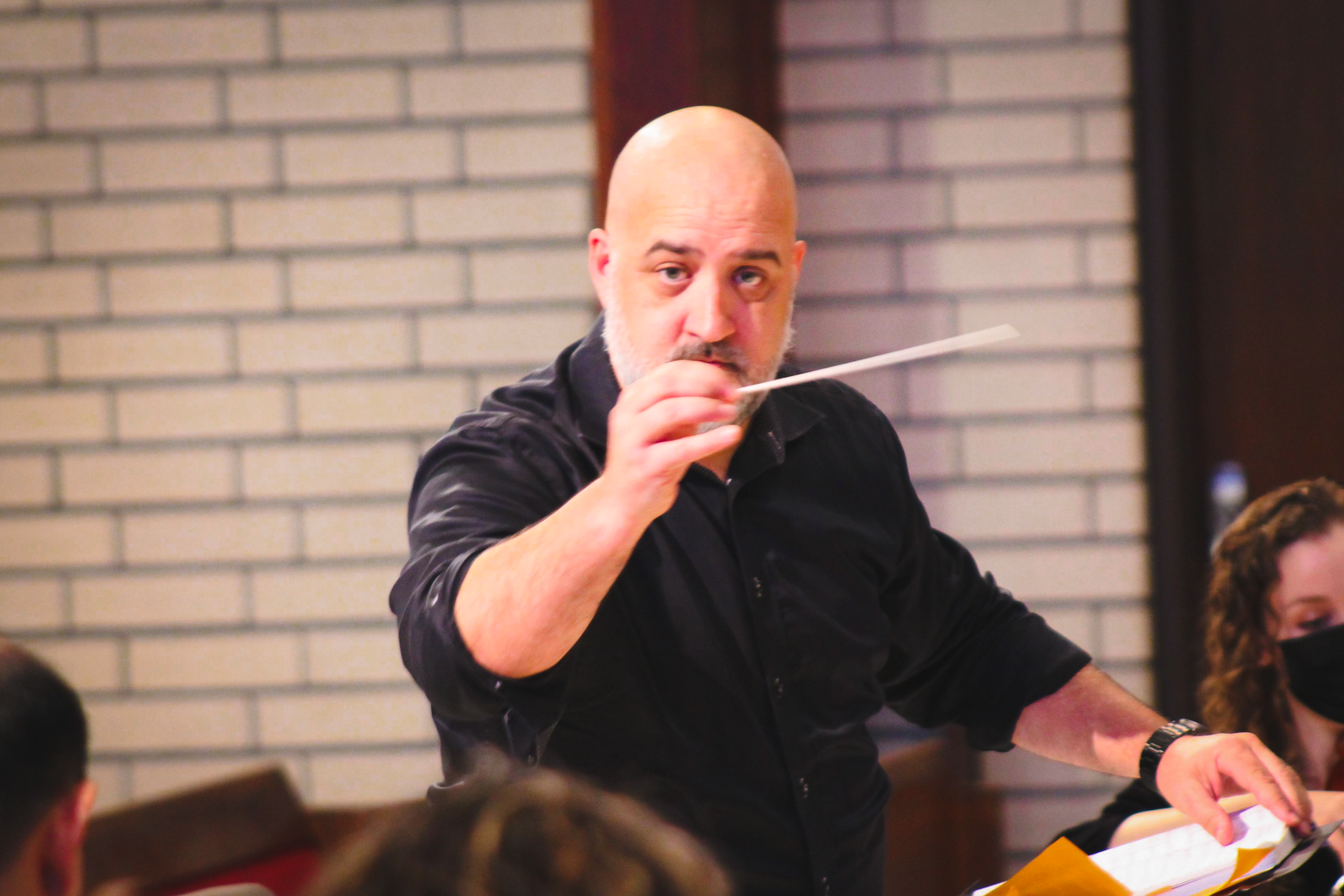
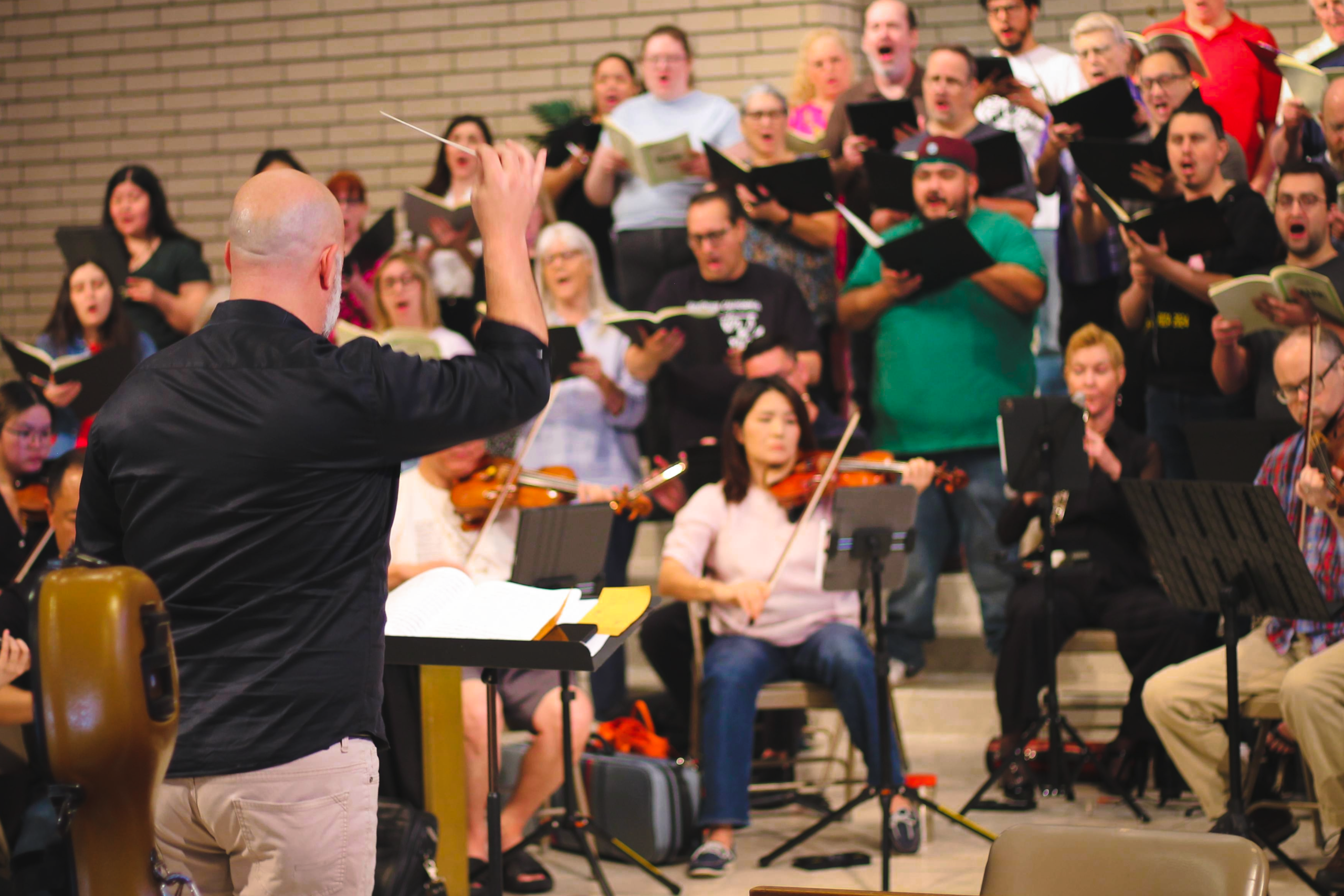
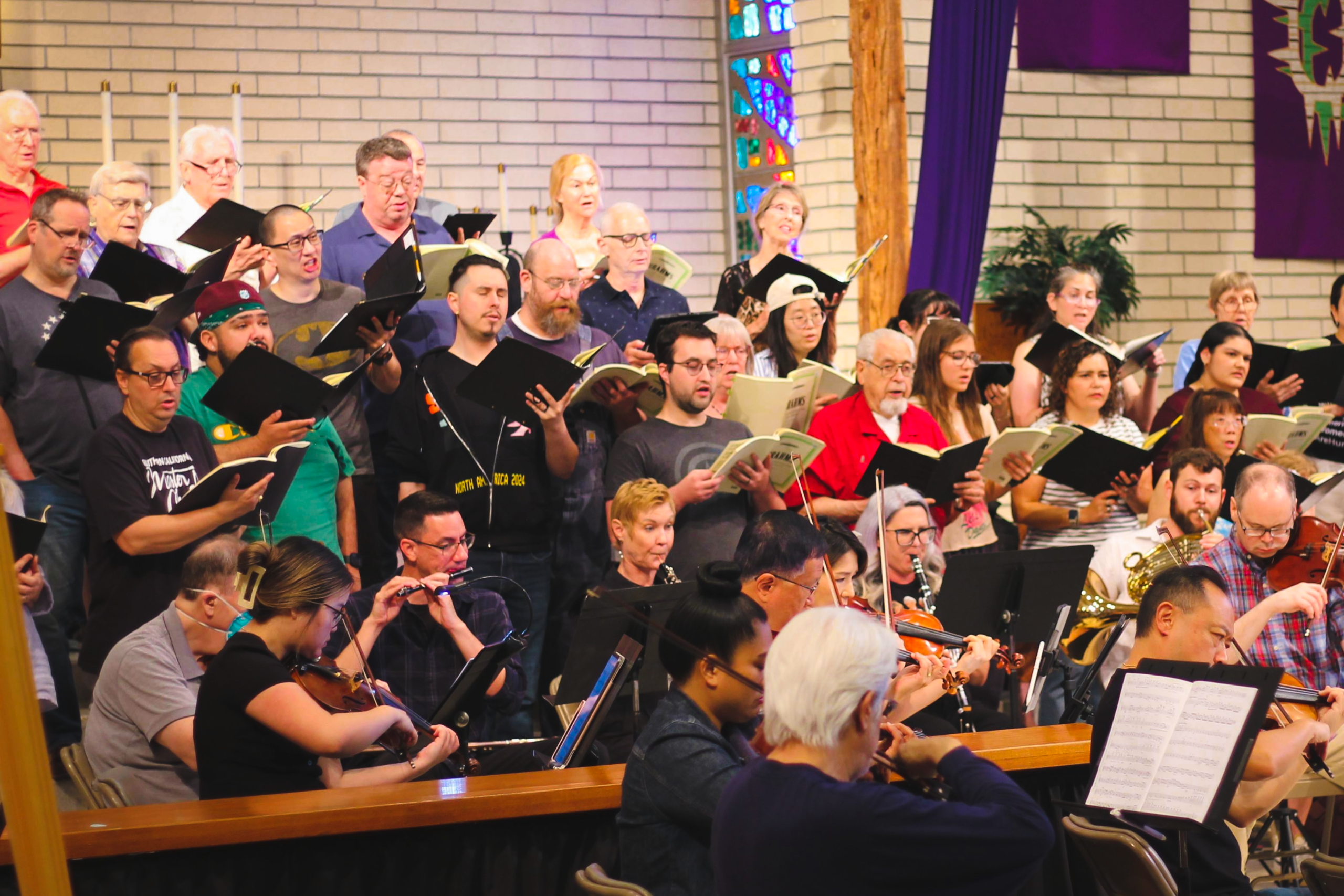
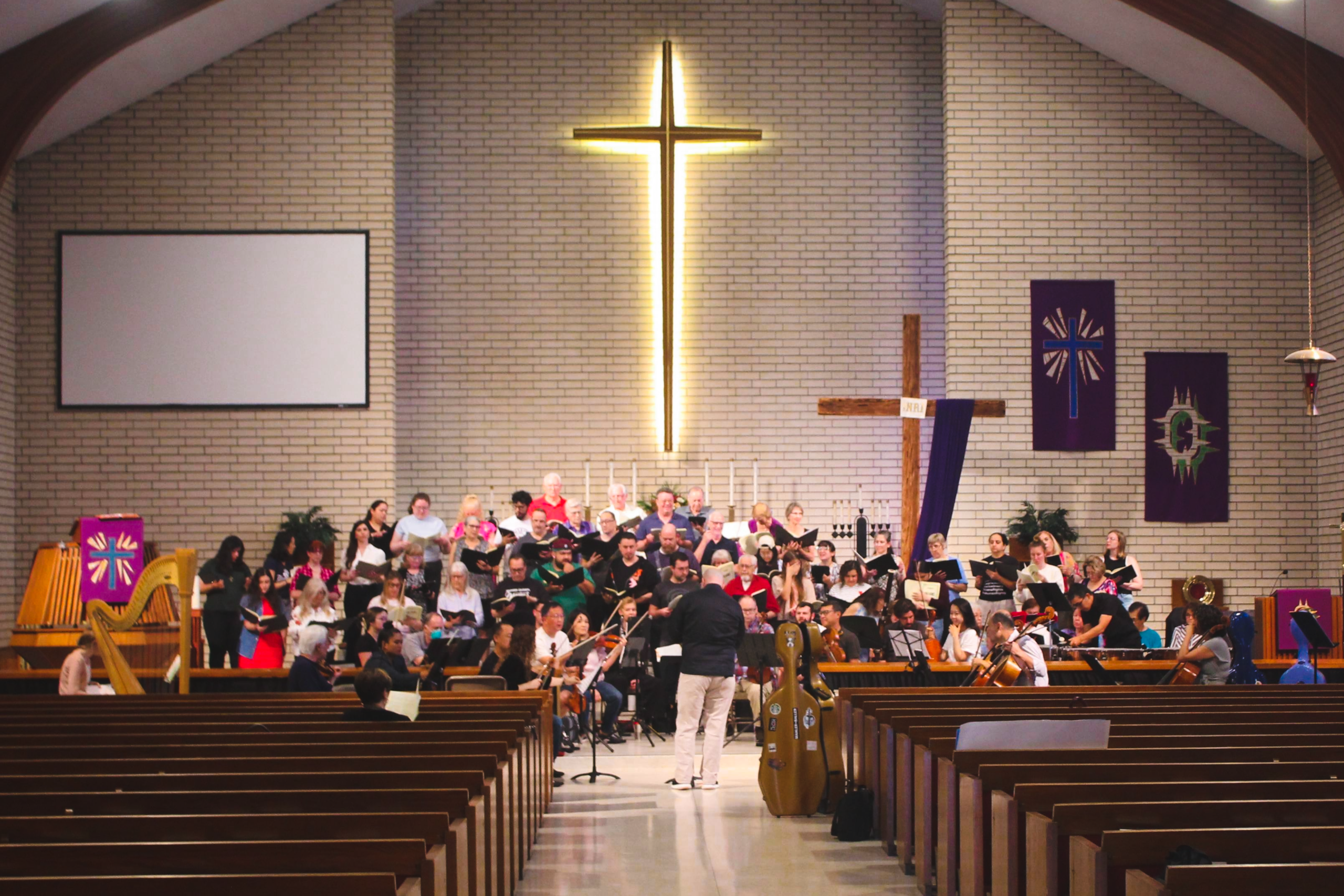
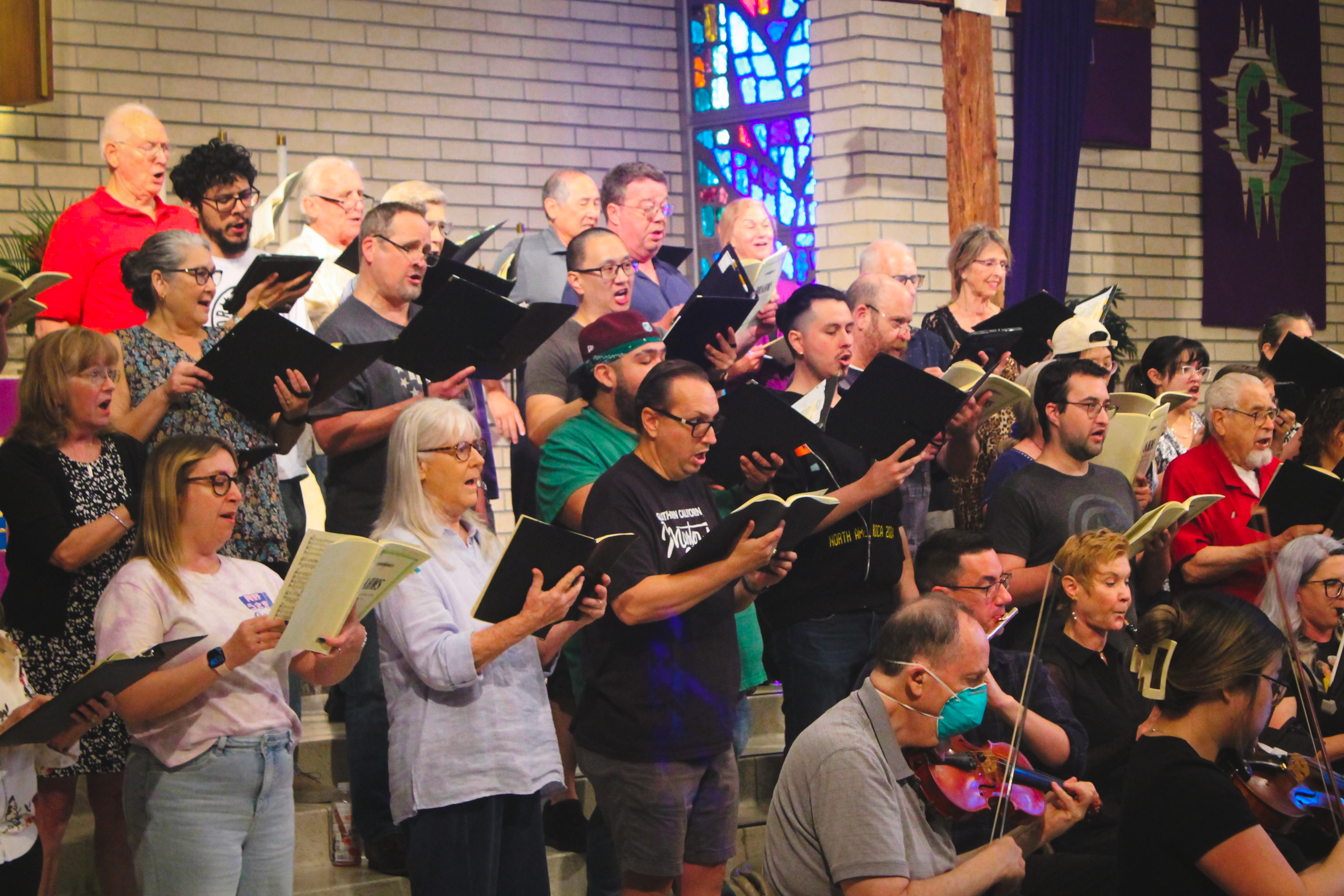
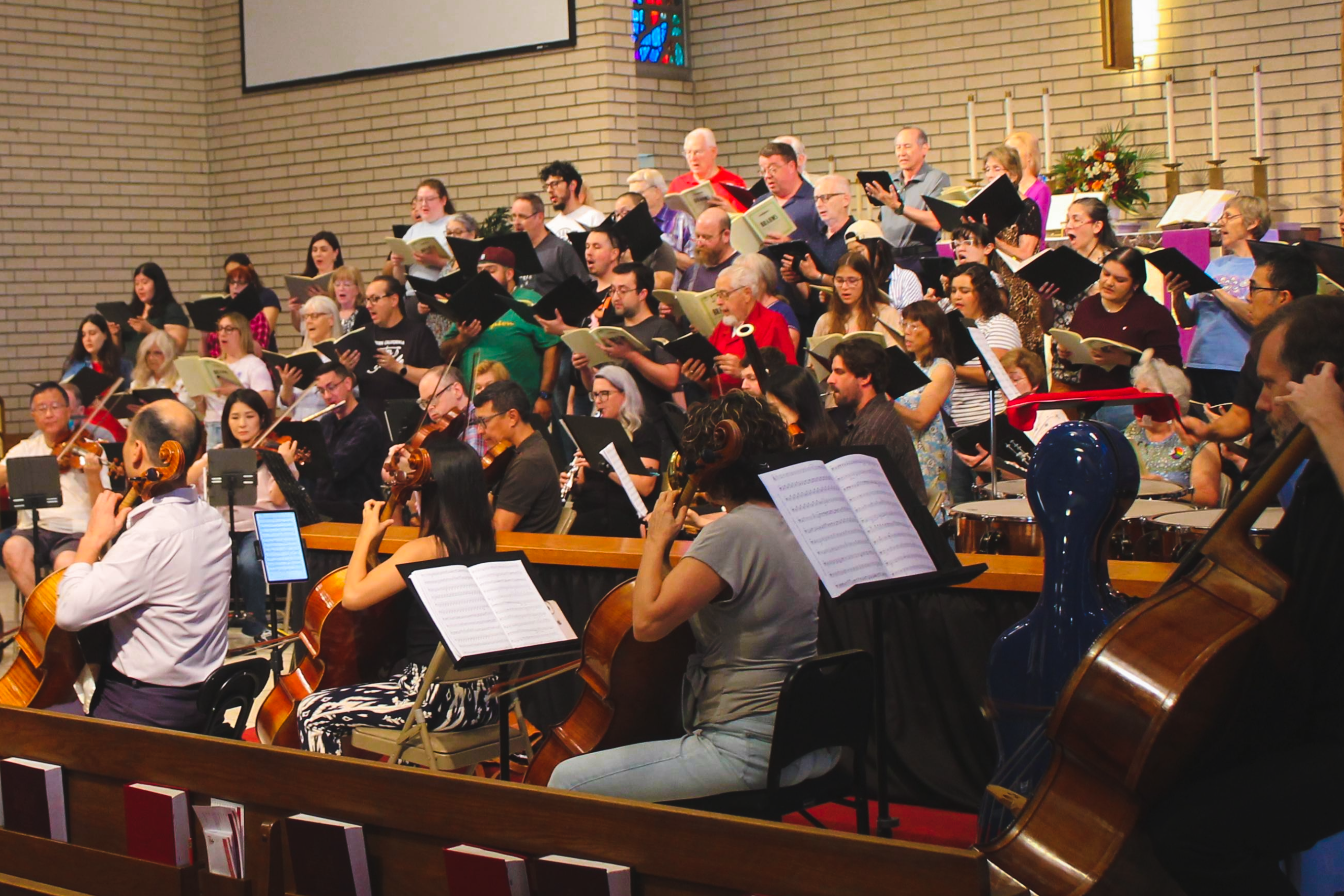
In Rehearsal
A New Renaissance
May 31, 2026
Zion Lutheran Church, Anaheim
A New Renaissance brings the ancient world vividly to life, weaving the timeless beauty of Renaissance polyphony with luminous contemporary echoes. Tallis’s Te lucis and O Nata Lux meet striking reimaginings by McDermott and Byler, while Palestrina’s eternal Agnus Dei is paired with Barber’s transcendent meditation on the same text. This is not a museum piece but a living, breathing experience—an invitation to step inside the music and feel its power anew, proving that true beauty doesn’t fade; it only grows richer with time.
The Renaissance was not merely an artistic period; it was a reawakening of the human spirit. Across Europe, composers sought to make the invisible visible, and to give sound to balance, proportion, devotion, grief, wonder, and transcendence. Music became architecture in motion: lines woven together with such elegance and inevitability that centuries later these works still seem suspended outside of time. Yet the Renaissance has never truly ended. Its ideas continue to echo through contemporary composers who return to these ancient texts, forms, and sonorities in search of something enduring within our own unsettled age. Tonight’s program explores that ongoing conversation across centuries. Ancient texts reappear in modern harmonic language; Renaissance polyphony becomes the seed for contemporary meditation; composers separated by hundreds of years stand side by side, asking the same human questions. What does it mean to rejoice? To seek light in darkness? To mourn? To long for peace? Though musical languages evolve, the emotional and spiritual impulses beneath them remain profoundly constant.
The program opens with two settings of Exultate Justi (“Rejoice in the Lord, O ye righteous”), from Psalm 33, first by the late Renaissance composer and Franciscan friar, Lodovico Grossi da Viadana and then followed by contemporary film composer John Williams from the film, Empire of the Sun. Viadana’s setting emerges from the late Renaissance tradition, filled with unanimous declarations, buoyant imitation, and radiant clarity, while Williams transforms the same sacred exuberance into cinematic transcendence, using soaring lines and luminous harmonies that feel both ancient and modern at once. Where Viadana’s rejoicing is measured, liturgical; Williams’ is unconstrained, almost primal, a cry wrung from the far side of suffering. Heard in succession, the two settings become a kind of diptych: the same ancient summons, answered across the centuries in utterly different tongues. Together, they demonstrate how sacred joy continues to find new voices in every age.
Two settings of Te Lucis Ante Terminum (“To Thee Before the Close of Day”) follow, offering music of evening, protection, and contemplation. Thomas Tallis, who navigated the theological convulsions of Tudor England with a rare and serene intactness, crafts music of extraordinary restraint and purity, allowing the text to unfold with serene inevitability. Liturgically speaking, it is the hymn sung at Compline, the last of the daily offices, a prayer to commend the sleeping self to divine protection. The persistence of this prayer across fifteen centuries of musical settings is its own form of testimony. J. Aaron McDermid’s approaches the same threshold, that border between wakefulness and surrender, between the known and the nocturnal unknown. More apparent in McDermid’s setting is the drama of “nightmares” with a lush, dissonant language that is neither imitative nor indifferent to its predecessors. His harmonies are warmer, more immediately embracing; the petition for protection feels less austere and more intimate. Together, Tallis and McDermid remind us that prayer for protection at night is not merely a historical curiosity but a perennial human need: the nightly renegotiation between self-preservation and trust, between the sovereign self and the darkness that will not be commanded.
The beloved Ubi Caritas of Maurice Duruflé serves as both centerpiece and bridge in our first half. Rooted deeply in Gregorian chant, as all of Duruflé’s choral oeuvre, the work floats between antiquity and modernity. His genius lay in making the ancient chant not a relic to be preserved but a living root from which new music could grow. Duruflé’s pandiatonic harmonic language is unmistakably twentieth century, yet every phrase grows organically from the precise contours of the ancient melody. The result is music of extraordinary warmth and humility, both ancient and modern, reminding us that compassion, charity, and even love itself may be humanity’s most timeless inheritance.
The first half concludes with another dialogue across eras through the text O Nata Lux (“O Light Born of Light”). Tallis again offers clarity, balance, and luminous simplicity within formulaic cadences, while contemporary American composer Douglas Byler expands the text into accessible lyrical landscapes rich with emotional immediacy. Tallis’ setting, less than two minutes in length, is perhaps the most perfectly achieved compression in the choral repertoire. Written in broad, largely homophonic strokes; the five voices moving together with true chordal gravity. Yet within this apparent simplicity he deploys the English “false relation.” This is the simultaneous sounding of a note and its chromatic neighbor which produces a quality of harmonic ache, as if the music itself were reaching toward something it cannot quite grasp. The Transfiguration, after all, is the moment when the eternal becomes briefly, blindingly visible through the mortal (the invisible, visible). Tallis finds its sonic equivalent in a handful of extraordinary chords. Byler, on the other hand, seeks warmth through beautifully shaped lines that honor the texts longing for light. The ancient plea for divine illumination becomes newly urgent in modern sound; it is consolation as much as aspiration.
The second half turns toward lamentation, longing, and ultimately peace. Z. Randall Stroope and Tomás Luis de Victoria each set the Lamentations of Jeremiah, texts born from devastation and exile. O vos omnes expresses the full catastrophe of grief: the Book of Lamentations is among scripture’s most unsparing texts, a poet’s raw testimony to the destruction of Jerusalem and the apparent silence of God. Stroope’s contemporary response embraces a broad emotional palette, from despair to anger, drawing listeners into the anguish and vulnerability of collective grief. Victoria’s setting is among the most profound achievements of Renaissance sacred music, filled with austere beauty and tremendous emotional restraint. Together, the works reveal that lamentation is not weakness, but one of humanity’s oldest forms of robust prayer.
We break from the usual pairings to do another “pre-modern” setting. I hope, as you look upon the title (and composers) you will see and hear something that only SCMC can do for you. While this concert works toward bringing the past into the present, this is the opposite. Here, we try our hand at sending a modern “masterpiece” back to the style of yesteryear.
James Jordan’s Interpolations on Sicut Cervus acts almost like memory of itself. Built upon Giovanni Pierluigi da Palestrina’s immortal motet, it sets a psalm of spiritual thirst rendered in flawlessly arching Renaissance counterpoint, each voice a separate stream flowing toward the same source. James Jordan’s Interpolations does something at once irreverent and deeply respectful: inspired by the landmark recordings of the Jan Garbarek/Hilliard Ensemble, where a soprano saxophone improvised freely around medieval and Renaissance polyphony, Jordan introduces a jazz-inflected saxophone voice into Palestrina’s pristine texture. The choir continues largely as written; the saxophone departs into the space between phrases, exploring the longing the voices have named but not exhausted. Ancient and contemporary, the fixed and the improvised, the sacred and the searching: these are not opposites but companions, both reaching toward the same unquenchable source. The past is not discarded here; it is remembered, reshaped, and heard anew.
The program concludes with one of the most striking pairings of the evening: Palestrina’s Agnus Dei alongside Samuel Barber’s choral arrangement of the Adagio for Strings. Palestrina’s setting, from his Missa Papae Marcelli, represents the ideal of Renaissance sacred polyphony: balanced, transparent, eternal. Barber’s setting, by contrast, unfolds with aching intensity, its long ascending lines carrying both sorrow and yearning toward transcendence. Samuel Barber’s Adagio for Strings has become, in the near-century since its 1938 premiere, the West’s unofficial anthem of inconsolable grief. It has been performed at the deaths of presidents, in the silences that follow catastrophe, whenever sorrow requires a sound large enough to contain it. Composed first as a string quartet movement, arranged for string orchestra at Arturo Toscanini’s invitation, and then transformed in 1967 by Barber himself into a choral setting of the Mass’s Agnus Dei, the music seems to have been searching all along for these words. The transposition requires almost no alteration to the notes: the long, suspended melodic line, the slow accumulation of harmonic tension toward an unbearable climax, the eventual subsidence into exhausted stillness. It is as if the music already knew it was a prayer, and Barber simply acknowledged what was always true. Beneath the differences in these two setting lies the same plea repeated across centuries: dona nobis pacem: grant us peace.
This is perhaps the enduring message of tonight’s concert. Across five centuries, composers continue to return to the same texts because humanity continues to wrestle with the same hopes and fears. We still seek light against darkness, comfort against grief, beauty against chaos, and peace against violence. The Renaissance, then, cannot be confined to history books. It is renewed whenever artists look backward not in imitation, but in rediscovery. We seem to be doomed to repeat our mistakes of the past, even when ancient wisdom is given fresh voice for a new age. Still, the Renaissance spirit endures precisely because it believed humanity was capable of growth. These works survive not simply to remind us of old failures, but to challenge us toward wisdom, empathy, and renewal. If ancient voices continue to sing into our present moment, perhaps it is because they still believe we can become worthy of the beauty we create.
Exultate Justi in Domino
Ludovico Viadana
Exultate Justi (from “Empire of the Sun”)
John Williams
arr. Brian Dehn
Te Lucis Ante Terminum
Thomas Tallis
Te Lucis Ante Terminum
- Aaron McDermid
Ubi Caritas
Maurice Duruflé
O Nata Lux
Thomas Tallis
O Nata Lux
Douglas Byler
Lamentations of Jeremiah
- Randall Stroope
O Vos Omnes (Lamentations of Jeremiah)
Tomas Luis de Victoria
Manete vivos
Baribus and Robinus Gibbini
Interpolations on Sicut Cervus
Giovanni Pierluigi da Palestrina
arr. James Jordan
Agnus Dei
Giovanni Pierluigi da Palestrina
Agnus Dei
Samuel Barber
In Performance


